
Instrument panel
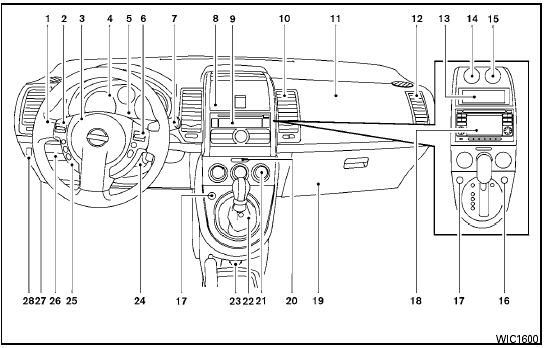
1. Headlight/fog light (if so equipped)/turn signal switch; Manual shift
paddles (if so equipped)
2. Steering wheel switch for audio control and Bluetooth Hands-Free Phone System
(if so equipped)
3. Driver’s supplemental air bag/Horn
4. Meters and gauges
5. Instrument brightness control
6. Cruise control main/set switches (if so equipped)
7. Windshield wiper/washer switch
8. Storage bin (if so equipped)
9. Audio system
10. Center ventilator
11. Passenger’s supplemental air bag
12. Side ventilator
13. Storage bin (if so equipped)
14. Engine oil pressure gauge (if so equipped)
15. g (gravity)-force gauge (if so equipped)
16. Hazard warning flasher switch (if so equipped)
17. Hazard warning flasher switch (if so equipped); Manual shift mode switch (if
so equipped)
18. Navigation system* (if so equipped)
19. Glove box
20. Front passenger air bag status light
21. Climate control
22. Shift selector
23. Power outlet
24. Ignition switch
25. Tilt steering
26. Storage bin
27. Hood release lever
28 Vehicle Dynamic Control (VDC) off switch (if so equipped)
* Refer to the separate Navigation System Owner’s Manual (if so equipped).
See also:
Tire pressures
- When towing a trailer, inflate the vehicle
tires to the recommended cold tire pressure
indicated on the Tire and Loading Information
label.
- Trailer tire condition, size, load rating and
p ...
Making a call
To make a call, follow the procedure below:
1. Press the PHONE button on the instrument
panel or the switch on the
steering
wheel. The Phone screen will appear on
the display.
2. Select on ...
Safety & Features
The Cube has yet to be tested by the Insurance Institute for Highway Safety.
Standard safety features include six airbags, antilock brakes and an electronic
stability system; click here for the fu ...